
Oceans of ink and bushels of pixels have been spilled about quests to win Amazon’s second headquarters. Pittsburgh has made the short list in many speculative surveys, ranging from a quick hit in PC Mag (placing us at No. 4) to a data-driven analysis by Moody’s Analytics (No. 5, or No. 2 if the subjective factor of geography was added). A few have overlooked the former Steel City completely (some guy at the Brookings Institution’s Metropolitan Policy Program, but maybe he didn’t have enough coffee that morning).
One of the better evaluations of the Amazon competition was published in The New York Times’ Business section on Friday, by columnist James B. Stewart. He ranked Pittsburgh as No. 1.
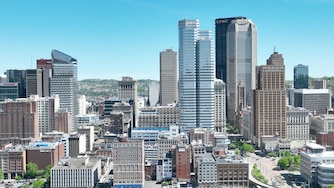
Mr. Stewart’s column is called “Common Sense,” and for good reason. The Pulitzer Prize-winning journalist, lawyer and author built the case for Pittsburgh logically, looking at the top five priorities stipulated by Amazon: 1) site/building, 2) capital and operating costs and incentives, 3) labor force, 4) logistics (with a good airport paramount) and 5) community cultural fit and quality of life. While Pittsburgh may not rank A+ in any of those categories, it flunks none. In Mr. Stewart’s synthesis, Pittsburgh emerges at top because Amazon wants to weave HQ2 into an urban fabric, not drop it into a “self-contained suburban corporate park”; the cost of living is competitive; our universities are a labor force magnet; the airport has plenty of potential; and while he didn’t use the term “livable city,” Pittsburgh has the stats and press clippings to prove it.
Amazon reported that 238 places put forth proposals. The competition is stiff. The game is not over. As Mr. Stewart noted, Amazon will make its decision on “many variables.” But his assessment is a full-bodied take on what Pittsburgh has to offer any entity seeking to plant a business.



Comments
Welcome to Post-Gazette subscriber-only commenting community. Please review our community guidelines.