
The World Health Organization designated the Zika virus a public health emergency of international concern Monday, an action it has taken only three times before and which paves the way for the mobilization of more funding and manpower to fight the mosquito-borne pathogen spreading “explosively” through the Americas.
Zika, which was first identified more than 50 years ago, has alarmed public health officials in recent months because of its possible association with thousands of cases of brain defects, known as microcephaly, in newborns. The WHO has estimated that the virus will reach most of the hemisphere and infect up to 4 million people by year’s end.
Margaret Chan, WHO director-general, said at a press briefing that the primary reason for the decision was that members of an 18-member advisory panel agree that a causal relationship between Zika and microcephaly is “strongly suspected” although it hasn’t been scientifically proven. She said that given the seriousness of the conditions being reported, the consequences of waiting were too great.
“Even the clusters of microcephaly alone are enough to declare a public health emergency because of its heavy burden” on women, families and the community, Dr. Chan said.
“Can you imagine if we do not do all these works now and wait until the science comes out, then people will say, ‘Why don’t you take action?’ ” she said.
In addition to the clusters of microcephaly, Dr. Chan said the lack of vaccines and rapid and reliable diagnostic tests, and the absence of immunity among people living in newly affected countries, are additional causes for concern.
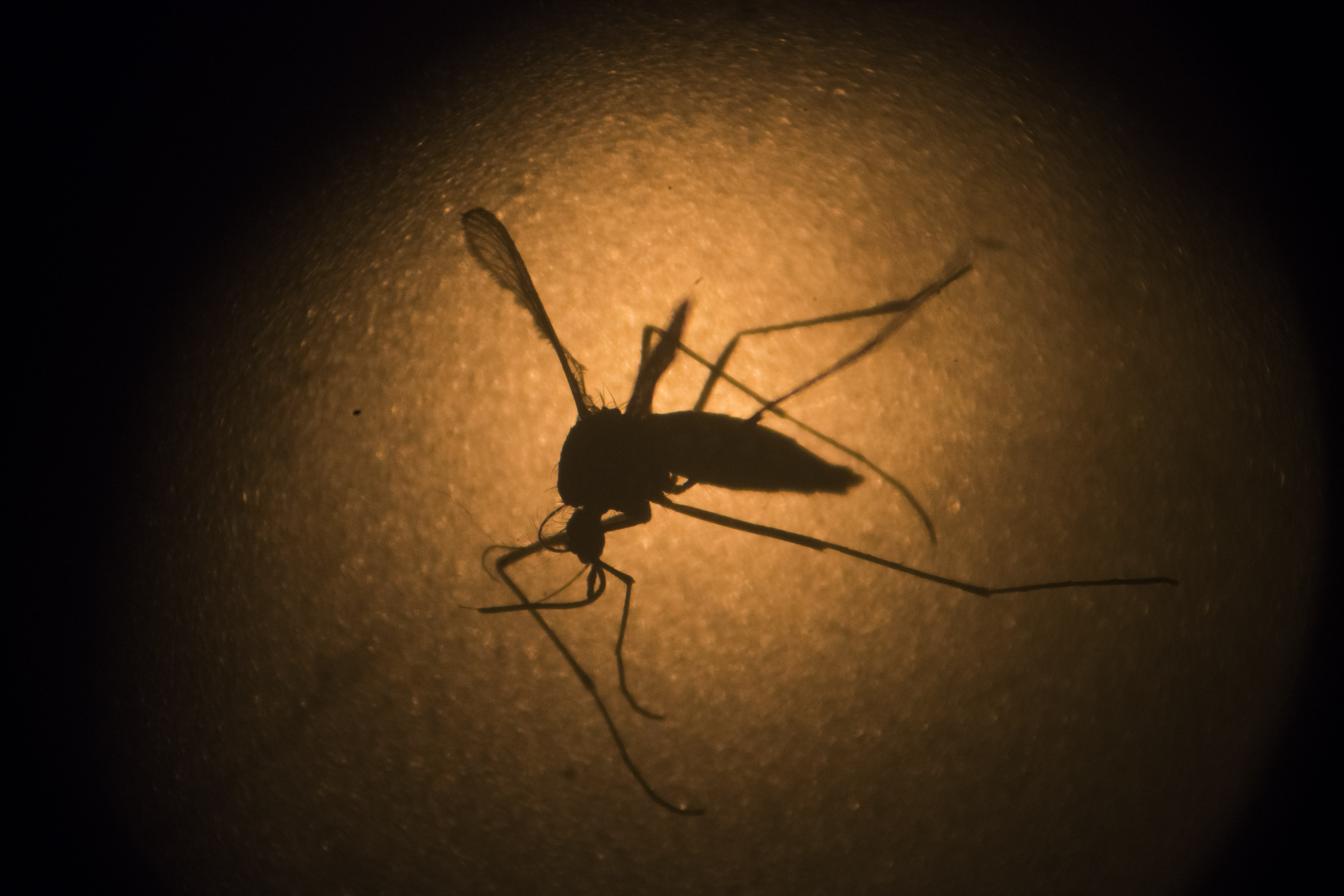
According to the latest figures, there have been 4,000 suspected cases in Brazil and 270 have been confirmed as microcephaly with evidence of an infection. Officials in French Polynesia also documented a connection between Zika and neurological complications when the virus was spreading there two years ago, at the same time as dengue fever.
The declaration represents the WHO’s highest level of alert and is only invoked in response to the most dire threats. The last time WHO declared a public health emergency was for the devastating Ebola outbreak in West Africa, which killed more than 11,000 people. Similar declarations were made for polio in 2013 and the 2009 swine flu pandemic.
Declaring a public health emergency will allow the WHO to help coordinate surveillance efforts, including monitoring and logging cases of Zika, microcephaly and other neurological complications. The WHO is also coordinating an international response to intensify control of mosquito populations.
Zika’s emergence as a major public problem has taken infectious disease experts by surprise. The virus has been popping up in various parts of the world for decades, but has typically only caused mild symptoms such as a rash or body aches in its victims. Nearly all those infected in the past recovered fully although there were rare cases of complications.
In recent months, health officials have focused on trying to protect pregnant women from the virus under the theory that their being bitten may be adversely impacting the growth of the babies they are carrying. The U.S. Centers for Disease Control and Prevention has issued a travel advisory urging pregnant women to avoid travel to areas where the virus is actively spreading.
On Monday, health officials added four more destinations to a list that now includes 28 locations, most of them in Latin America and the Caribbean: American Samoa, Costa Rica, Curacao and Nicaragua.
On Monday, health officials also reiterated their advice to pregnant women to wear appropriate clothing, repellent and take other practical measures, such as sleeping under a bed net while taking naps, to avoid being bitten.
“Zika is the latest emerging health threat, and a serious concern for pregnant women and their babies,” CDC director Tom Frieden said in a statement.
Top Republicans and Democrats on the House Energy and Commerce Committee asking government health officials for more information on research, testing and available dollars to ensure the U.S. is prepared for the Zika virus.
In a letter to the CDC, they asked if a travel warning could have been issued sooner.
Anthony Fauci, director of the National Institute of Allergy and Infectious Diseases, said the WHO’s declaration is the “official global sounding bell that governments and others need to start to really paying attention to this.”
Infectious disease experts and others have been pressuring the WHO to escalate its response to Zika for several months, warning of the mistakes world leaders made during the Ebola crisis when a lack of coordination delayed quarantines and treatment.
Much of the alarm about Zika comes from reports from Brazil, the epicenter of the outbreak, where Zika is suspected as a cause of what may be up to thousands of babies being born with abnormally small heads and incomplete brain development. Researchers are also investigating a possible link between the virus and a surge in Guillain-Barre syndrome, a rare condition that can lead to paralysis that have been documented in Brazil, French Polynesia and El Salvador.
Bruce Aylward, the WHO’s director of outbreaks and health emergencies, said that the evidence pointing to both a “temporal and geographic association” between Zika and microcephaly was strong.
“This is definitely the right measure to be taking at this time based on the information available,” he said.
Pregnant women are advised not to travel to Brazil during the 2016 Olympic Games to avoid potential birth defects related to an outbreak of the mosquito-borne Zika virus, President Dilma Rousseff’s chief of staff, Jaques Wagner, said.
“It’s a serious risk for pregnant women,” Mr. Wagner told reporters after an emergency Cabinet meeting Monday. He added that “it’s not recommended” for them to travel to Brazil.
The risk for other adults is relatively small, and most people never even show symptoms, Mr. Wagner said. He said the chance of the Olympics being canceled “doesn’t exist.”
Mr. Wagner said it will take researchers between three and five years to develop a vaccine against the Zika virus.
Meanwhile, in Rio de Janeiro, a union made up of workers handling the Zika virus response on the ground is threatening to go on strike just as Brazil gears up to fight the Aedes aegypti mosquito that transmits the disease.
The union is demanding better working conditions, as well as uniforms, sunscreen and bug repellent for city workers going door-to-door in hopes of wiping out the mosquito.
Sandro Cezar is the secretary general at the city’s SINTSAUDE union. He said Monday that the union’s 7,000 workers will go on strike if Brazil’s health ministry doesn’t meet their demands by Thursday.
Mr. Cezar also warned that more than 220,000 other health workers could later join them in a nationwide stoppage.
In an interview with the Reuters news agency, Brazilian Heath Minister Marcelo Castro said the outbreak is his country is worse than previously believed because an estimated 80 percent of people who become infected with the virus do not exhibit known symptoms.
Mr. Castro also said every municipality in Brazil will be required to report all Zika cases to a central database starting next week. In further controls, Brazil will join other nations in banning blood donations from people who had the virus.
Last week, Mr. Castro warned that Brazil was “badly losing” the battle against the mosquito blamed for spreading Zika and said that more than 220,000 members of Brazil’s military would be mobilized in eradication efforts. The plans included distributing mosquito repellent to about 400,000 pregnant women, according to Brazil’s O Globo newspaper.
The WHO’s Dr. Chan said there is no reason for travel or trade restrictions at this time.
Associated Press and Bloomberg News contributed.

Comments
Welcome to Post-Gazette subscriber-only commenting community. Please review our community guidelines.