
A colleague forwarded to me the editorial (“Big Idea: Pittsburgh should return to its roots in land value taxation,” Dec. 11) favoring a return to the “Georgist” form of real estate taxation that existed in Pittsburgh for many decades (and exists in Harrisburg, Allentown and other local taxing bodies across Pennsylvania).
This is a measure I did my best to bring to Philadelphia back in the 1990s while I worked in the Housing & Community Development group at Fannie Mae in the company’s regional office in Philadelphia. Fannie Mae actually sent me on the road (including to Pittsburgh) to deliver presentations on the merits of land-value taxation to stakeholder groups throughout the northeastern United States.
The economics became clear to me as I regularly analyzed how land prices were being pulled upward by speculation-driven investors whose land acquisitions benefited from well-below current market assessment and the effectively low rates of taxation.
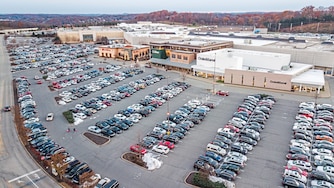
The “Georgist” solution was at the time supported in Philadelphia by some members of City Council and by the city’s Controller, Jonathan Saidel. At the time I helped to organize a two-day public forum on the issues at the Federal Reserve Bank in Philadelphia. Enabling legislation seemed likely until the politically influential owner of surface parking lots and the oil-refining firms weighed in with their opposition.
Your editorial does a good job explaining the logic and beneficial outcomes of taxing land values much heavier than building values. We forget that owning buildings is costly. There is ongoing maintenance.
Then, every decade or so there is the huge cost of systems replacement. If it makes sense to tax buildings — which are depreciating assets — then all depreciating assets ought to be taxed each year, a proposal that almost all people will quickly conclude is a ridiculous and counterproductive idea.
Edward J. Dodson
Marlton, N.J.



Comments
Welcome to Post-Gazette subscriber-only commenting community. Please review our community guidelines.