
GENEVA — The World Health Organization’s emergencies chief said Friday that the impact of new variants of COVID-19 in places like Britain, South Africa and Brazil remains to be seen, citing human behavior for some recent rises in infection counts.
“It’s just too easy to lay the blame on the variant and say, ‘It’s the virus that did it,’ ” Dr. Michael Ryan said. “Well, unfortunately, it’s also what we didn’t do that did it.”
That was an allusion to holiday merrymaking and loosening adherence — in pockets — to calls from public health officials for people to respect measures like physical distancing, hand-washing and mask-wearing.
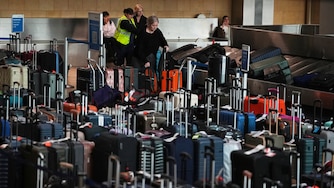
Also Friday, the WHO’s Emergencies Committee recommended that countries should not require proof of vaccination by incoming travelers, saying decisions on international travel should be coordinated, limited in time, and based on both the risks and the science.
“If you look at the recommendation made by the committee around vaccination for travelers, it says ‘at the present time,’ ” Dr. Ryan said. He pointed out that vaccines are still not widespread and that it remains unclear whether they prevent transmission between people.
The recommendations came after the committee’s first meeting in nearly three months. To little surprise, the panel agreed that the outbreak remains a global health emergency, nearly a year after it declared it as one.



Comments
Welcome to Post-Gazette subscriber-only commenting community. Please review our community guidelines.