HARRISBURG -- After two days of debate, the state House approved a variety of changes to the state's Election Code this week, including one that requires voters to present a photo ID at the polls, and another change that would prevent felons from voting for the duration of their maximum sentence, even if they're out of jail on parole.
By and large, the House ignored the recommendations made by Gov. Ed Rendell's Election Reform Task Force, including the panel's main proposal -- moving the presidential primary from April to March.
The House proposals now move to the Senate, which may wait until the fall to consider the items. Even if the bill is taken up, some elements might be too controversial to get past the Senate, then the governor.
Most of the proposed changes were sponsored by Republicans. Democrats in the House objected to several of the changes, saying they were too restrictive.
For example, one of the proposed changes included in House bill No. 1318 would require most voters to present a photo ID while at the polls. Rep. Daryl Metcalfe of Cranberry, one of the provision's Republican backers, called the photo ID requirement an anti-fraud tool, noting that "people are required to show photo identification when they fly on a plane, drive a car or cash a check."
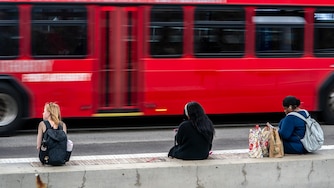
But Democrats point out that neither driving a car nor boarding an airplane is a fundamental American right, while voting is. Democrats believe that a photo ID requirement is most likely to affect registered Democrats, especially inner-city minorities who use public transit and aren't likely to own a driver's license.
A Wisconsin study, for example, showed that 60 percent of all Hispanic women in the state lack a valid driver's license.
Another of the proposed changes prevents paroled felons from voting. "This is a reasonable constriction for the length of the sentence imposed by the judge," said Rep. Stephen Barrar, R-Delaware. "If you're on parole or in a halfway house, you're still under sentence."
Another proposed change would require voters to sign their cards in blue or black ink. Republicans say this requirement makes the voter cards more permanent and tamper-resistant, while Democrats worried what would happen if a precinct ran out of pens -- could all of those votes be challenged?
A fourth change would allow 17-year-olds, who will turn 18 before the November election, to vote in the party primary preceding the general election.


Comments
Welcome to Post-Gazette subscriber-only commenting community. Please review our community guidelines.