
In Japan, diners flock to Chanko-nabe restaurants to not only eat the dish the restaurants are named after, a one-pot meal made from a combination of chicken, tofu, daikon and greens cooked in broth, but also as a way to participate in their favorite sport: sumo wrestling.
Chanko-nabe is the traditional meal of the wrestlers, who live together in communal homes called stables, where junior members must cook and do other chores for more senior members. When sumo wrestlers retire, many of them open restaurants that specialize in chanko-nabe.
Sports Celebrity Restaurants
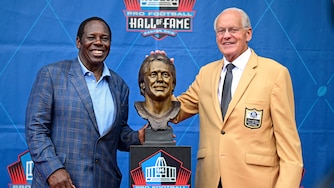
Jerome Bettis Grille 36,
North Shore, www.jeromebettisgrille36.com,
412-224-6287
Manny's BBQ,
PNC Park,
pirates.mlb.com (left)
Southside 86,
South Side,
412-390-1910
Eddie George's Grille 27,
Columbus, Ohio;
1-614-421-2727
Brett Favre's steakhouse,
Green Bay, Wis.;
www.brettfavressteakhouse.com,
1-920-499-6874 (center)
Elway's, Denver;
downtown, 1-303-312-3107;
Cherry Creek, 1-303-399-5353 (right)
Zereoue,
New York City,
1-212-679-9355
A similar trend occurs in this country. Many professional players from football, baseball, hockey and more either invest in or open restaurants after they retire.
They may not have specialized knowledge of food or the business, but professional athletes know that as celebrities they can attract customers. And the rush of the restaurant business may feel like a suitable replacement for the rush on the field or the court.
Some choose to put sports front and center, at restaurants such as Pittsburgh's Jerome Bettis' Grille 36 on the North Shore or Eddie George's Grille 27 in Columbus, Ohio, both co-owned by the same restaurant group that specializes in teaming up with former pro athletes.
Just as sumo wrestlers' restaurants are often decorated with competition paraphernalia and located near the Ryogoku Kokugikan sumo arena in Tokyo's Sumida Ward, these restaurants are often near pro-sports facilities, and many even have gift shops where you can buy souvenir T-shirts and shot glasses.
At Jerome Bettis' Grille 36, much is made of the audio-visuals -- the North Shore restaurant hypes its 50-plus high-definition plasma TVs and 12 satellite transmissions on the Web site's main page.
Brett Favre's steakhouse in Green Bay, Wis., is just two blocks from Lambeau Field, the Packers' stadium. The restaurant holds a tailgate party outside the restaurant before every game, offering fans unlimited food and drink and live music, as well as the opportunity to purchase "seat cushions, rain ponchos, handwarmers and souvenirs," according to its Web site.
Of course, having the famous athlete whose name is on the marquee stop by the restaurant every once in a while doesn't hurt either. Mr. Bettis no longer lives in Pittsburgh, but he drops by the restaurant about once a month.
There's decent pulled pork at Manny's BBQ in PNC Park, but the fact that former Pittsburgh Pirate Manny Sanguillen himself is often there signing autographs is also a big draw.
Even with the silver bullet of fame, these restaurants can have a hard time making a go of it. While celebrity involvement can give a restaurant a boost, it's not a guarantee of success. Some athletes underestimate the commitment of money and time; others don't partner with the right people. If a restaurant's target customers don't like the food, it won't stay open, no matter who's running it.
Steeler Hines Ward's bar and grill, The Locker Room on the South Side, closed last year, but it has since reopened as Southside 86, and Mr. Ward is still involved with the restaurant.
Some pro athletes tackle even tougher gigs. They open restaurants and try to downplay the association with sports.
John Elway now has two locations of his upscale steakhouse in Denver. Although the restaurants are named Elway's, there are no pictures of the former Denver Broncos quarterback on the field and no gift shop where you can purchase jerseys. The restaurant history on the Web site doesn't even mention Mr. Elway's football career.
Amos Zereoue played for the Steelers from 1999 to 2003 and retired from pro ball in 2005. Clearly not one to shy away from serious competition, Mr. Zereoue didn't just decide to open a restaurant, he decided to open one in the toughest restaurant town there is -- New York City.
Mr. Zereoue credits his father with getting him to learn how to cook, and while he was playing in the NFL, he would often prepare West African specialties for friends and teammates. While chef Abraham Sow runs the kitchen at Zereoue, which specializes in French and West African cuisine, Mr. Zereoue still finds plenty of opportunities to cook.
On Friday, he prepared a four-course dinner for 250 West Virginia University alumni at a fundraising dinner for his alma mater. The menu included sea scallops wrapped in bacon with an apple vinaigrette sauce, grilled shrimp and onion with a spicy curry sauce, hangar steak with potatoes dauphinoise and sweet plantains with vanilla bean ice cream and caramel sauce.
Typical game food? Maybe not. But definitely food a football player or sports fan could love.
Comments
Welcome to Post-Gazette subscriber-only commenting community. Please review our community guidelines.